
South Carolina’s 100 Deadliest Days Are Here, And Teen Drivers Are At The Greatest Risk
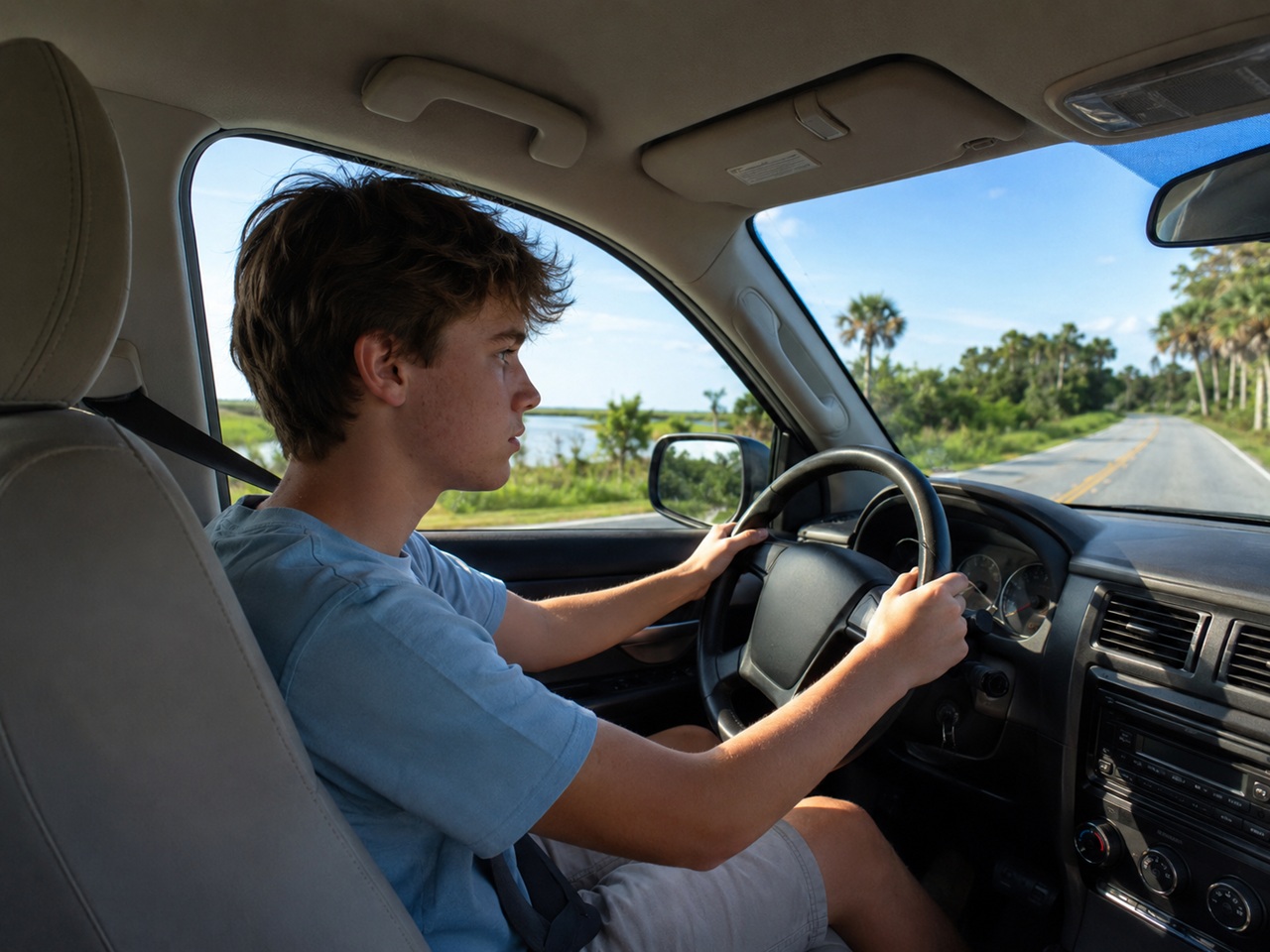
Teen Driver Crashes During South Carolina’s 100 Deadliest Days Can Lead To Serious Injury Claims
Every summer, the stretch of South Carolina highway between Beaufort and Hilton Head gets busier, beach traffic on US-278 backs up, and the roadsides of the Sea Islands fill with visitors. It’s also the time of year when roads become more dangerous. The reason isn’t just heavier traffic. It’s also the number of inexperienced teen drivers behind the wheel during the months when school is out, routines are looser, and young drivers are logging more miles.
The period between Memorial Day and Labor Day is widely known as the “100 Deadliest Days” for teen drivers. According to Spectrum Local News, this stretch is historically marked by increased fatal traffic crashes as young, inexperienced drivers have more free time, fewer structured routines, and more peer passengers in the car.
Our South Carolina car accident attorneys at Twenge + Twombley see the impact of these crashes on families throughout Beaufort County, Bluffton, Hilton Head Island, and across the Lowcountry. If you or someone you love was hurt in a car accident caused by a teen driver, here’s what you need to know about fault, insurance, evidence, and your legal options.
What Are South Carolina’s 100 Deadliest Days?
The 100 Deadliest Days is the period between Memorial Day and Labor Day, when crashes involving teen drivers rise across the country. School is out, teens have more access to vehicles, and summer activities often put inexperienced drivers on unfamiliar roads, later at night, and with friends in the car.
AAA reports that, from 2013 to 2022, nearly 6,700 people were killed nationwide in crashes involving teen drivers during the 100 Deadliest Days. In 2022 alone, 707 people were killed in those crashes, a 10 percent increase over pre-pandemic 2019 levels. For South Carolina, AAA Carolinas reported that 215 people were killed in crashes involving teen drivers between Memorial Day and Labor Day from 2013 to 2022.
The reason the summer months are so dangerous is straightforward: more driving means more exposure. When that exposure involves new drivers who are still learning how to judge speed, distance, distractions, and roadway hazards, the risk rises quickly.
Why Are Teen Drivers At Greater Risk During Summer?
Teen drivers face higher crash risks because they lack experience, and summer adds pressure to that inexperience. They may be driving to work, the beach, parties, restaurants, sporting events, or friends’ homes. They may also be carrying other teens, driving late, or traveling on roads they don’t know well.
The behaviors that drive the spike in summer fatalities include:
- Teen Passengers: Peer passengers can distract young drivers and encourage risk-taking. A teen driver who is focused on friends in the car may miss stopped traffic, a pedestrian, or a vehicle entering from a side road.
- Distracted Driving: Phones, music, GPS, food, passengers, and unfamiliar routes all compete for attention that new drivers can’t afford to lose. Even a few seconds of distraction can be enough to cause a crash.
- Speeding: Teen drivers may not appreciate how much speed increases stopping distance and crash severity. A crash at 50 mph is not simply twice as dangerous as one at 25 mph. The force is far more destructive.
- Nighttime Driving: Summer schedules push teens onto the road later than they might drive during the school year. Darkness, fatigue, limited visibility, and social pressure can all make late-night driving more dangerous.
- Not Wearing A Seat Belt: Seat belts don’t prevent crashes, but they can determine whether someone survives one. Teens are among the groups most likely to skip seat belts, especially when they are riding with friends.
Each risk is dangerous on its own. During the 100 Deadliest Days, several often appear together. That combination is what makes summer teen driver crashes so devastating.
How Dangerous Are Lowcountry Roads For Teen Drivers?
South Carolina’s roads carry real risks for teen drivers year-round, but the Lowcountry adds its own complications during summer. US-278 toward Hilton Head, Sea Island Parkway, US-21, beach access routes, and the roads around Beaufort, Bluffton, and Port Royal can become crowded with visitors, workers, cyclists, pedestrians, and local traffic all moving at once.
Some roads have narrow lanes, limited shoulders, bridges, sudden slowdowns, and turn lanes that require quick judgment. A teen who earned a license during the school year may not have much experience handling summer beach traffic, tourist congestion, afternoon storms, or heavy weekend backups.
That matters because the risk factors behind summer teen driver deaths are not abstract in the Lowcountry. They show up in everyday driving conditions, especially when a new driver gets overwhelmed, distracted, or pressured into taking chances.
Who Else Is At Risk When A Teen Driver Causes A Crash?
One of the most important things to understand about teen driver crashes is that the teen is often not the only person hurt. Passengers in the teen’s vehicle, people in other cars, motorcyclists, cyclists, and pedestrians can all suffer serious injuries or death because of an inexperienced driver’s mistake.
Teen passengers can be especially vulnerable because they may not recognize danger until it’s too late. A speeding driver, a crowded car, a distraction, or a quick decision to run a yellow light can change everything in seconds.
In the Lowcountry, the risk extends to everyone sharing the road. Cyclists near Hilton Head, pedestrians at beach crossings, motorcyclists on open stretches of road, and families driving through weekend traffic can all be injured when a teen driver misjudges a situation they weren’t ready to handle.
What Happens When a Teen Driver Causes an Accident in South Carolina?
When a teen driver causes a crash in South Carolina, the legal and practical consequences can be more complicated than families expect. The crash may involve the teen driver, a parent’s insurance policy, the vehicle owner, other drivers, and sometimes a business or property owner if unsafe conditions played a role.
Depending on the facts, potential sources of responsibility may include:
- The Teen Driver: If the teen’s careless or reckless driving caused the crash, the teen may be the primary at-fault party. That may involve speeding, being distracted, failing to yield, following too closely, driving while impaired, or violating license restrictions.
- The Vehicle Owner: If someone allowed an unsafe or unlicensed teen to drive, negligent entrustment may become part of the case. The vehicle owner’s insurance may also be involved.
- A Parent or Household Policy: Many teen drivers are covered under a parent’s auto insurance policy. Identifying available insurance coverage is one of the most important early steps after a crash.
- Another Negligent Driver: Not every crash involving a teen driver is solely the teen’s fault. Another driver may have contributed by speeding, texting, failing to yield, driving impaired, or making an unsafe turn.
- A Business Or Other Third Party: In some cases, a bar, restaurant, event host, road contractor, or other party may have played a role, depending on the facts of the crash.
South Carolina is a fault-based state, which means the injured person generally pursues compensation through the insurance coverage available to the at-fault party or parties. That process sounds straightforward, but insurance companies often dispute fault, minimize injuries, and make low settlement offers before the full impact of the crash is known.
How Do South Carolina Teen Driver Laws Affect A Crash Claim?
South Carolina’s graduated driver licensing system places restrictions on young drivers while they gain experience. According to the South Carolina Department of Motor Vehicles, conditional license holders face passenger and nighttime driving limits. They generally may not have more than two passengers under 21 in the car unless an exception applies, and their unsupervised driving hours are limited.
Those restrictions matter after a crash. If a teen driver had too many passengers, was driving outside permitted hours, or violated another license restriction, that violation may become evidence that the driver failed to use reasonable care.
That does not automatically decide the case. The key questions are what happened, whether the violation contributed to the crash, and how the available evidence supports the injury claim. But when a teen driver breaks safety rules designed to reduce crash risk, an attorney can use that evidence to challenge insurance company arguments.
How Does Liability Work When A Teen Driver Causes A Crash?
Liability means legal responsibility for the harm caused by a crash. In South Carolina, injured people may recover compensation when another party’s negligence caused their injuries. That compensation may include medical expenses, future medical care, lost wages, reduced earning capacity, pain and suffering, and other losses.
South Carolina follows a modified comparative fault rule. An injured person can recover compensation if they were not more than 50 percent responsible for the crash. If they share some fault, their recovery can be reduced by their percentage of responsibility. If the other side successfully argues that the injured person was 51 percent or more at fault, the injured person recovers nothing.
Insurance companies understand how this rule works, and they use it aggressively. In teen driver cases, they may argue that the injured driver was speeding, was distracted, failed to react, or had another way to avoid the crash. Even a weak shared-fault argument can reduce a settlement offer if it is not challenged with evidence.
What Evidence Matters After A Teen Driver Crash?
Evidence can disappear quickly after any car accident. Vehicles are repaired, witnesses become harder to find, surveillance footage gets overwritten, and social media posts may be deleted. In a crash involving a teen driver, evidence regarding passengers, phone use, speed, time of day, and license restrictions may be especially important.
Important evidence may include:
- The Police Report: The report may identify drivers, passengers, citations, statements, injuries, and the officer’s initial findings.
- Photos And Videos: Vehicle damage, skid marks, road conditions, visibility, traffic signs, and crash scene photos can help reconstruct what happened.
- Witness Statements: Passengers, nearby drivers, pedestrians, cyclists, or business employees may have observed the teen driver’s behavior prior to the crash.
- Phone Records: If distraction is suspected, phone evidence may show whether the teen driver was texting, calling, or using apps near the time of the crash.
- Vehicle Data: Some vehicles may contain electronic data related to speed, braking, and crash forces.
- Insurance Information: A teen driver may be covered by a parent’s policy, a household policy, or another vehicle owner’s insurance.
- Medical Records: Prompt medical care connects the injuries to the crash and helps show the full extent of harm.
Because teen driver cases can involve disputed fault and multiple insurance issues, early legal help can make a major difference. A South Carolina car accident attorney can preserve evidence, identify coverage, communicate with insurers, and build the case before the other side controls the narrative.
How Long Do You Have To File A South Carolina Car Accident Claim?
South Carolina generally gives injured people three years to file most personal injury lawsuits. That deadline matters, but waiting until the deadline approaches can still hurt the case. Evidence may be lost long before the statute of limitations expires.
After a serious crash, it’s better to act quickly. An attorney can send preservation letters, locate witnesses, obtain records, review insurance coverage, and protect the claim before the insurance company pressures the injured person into an early settlement.
How Can A Beaufort Car Accident Attorney Help Me?
Being hurt by a teen driver during the 100 Deadliest Days does not make your case simple. It means you’re dealing with insurance companies that know how these crashes unfold and have their own interest in minimizing what they pay. Having experienced legal representation from the start changes that dynamic.
Our South Carolina car accident attorneys at Twenge + Twombley limit the number of cases we handle so we can focus completely on the people we represent. We know the roads of the Lowcountry, we know South Carolina’s car accident laws, and we know how to build a case that insurance companies take seriously.
We handle crashes involving teen drivers throughout Beaufort County, Bluffton, Hilton Head Island, and across South Carolina. We also handle every case on a contingency fee basis, which means you owe us nothing unless we recover compensation for you.
Give us a call or contact us online to schedule a free consultation with a South Carolina car accident attorney who can get to work on your case right away.
“You want the best, when you need the best. Karl Twenge and his staff were knowledgeable, outstanding & professional in all avenues of the law. He made sure that my recovery came first with the best medical treatment available. I had numerous serious injuries as I was injured on Route I-95 in a rear-end collision by a tractor-trailer. I was completely satisfied with the final settlement of my lawsuit.” - David, ⭐⭐⭐⭐⭐