
How Is Fault Decided When There Are No Witnesses?
Car accidents, regardless of severity, are stressful and inconvenient. When there are no witnesses at the scene, that stress can grow even heavier. You may wonder how anyone can determine what really happened, especially if the other driver tells a different story.
Many crashes occur on quiet roads, in parking lots, or when no one else is around. But even without witnesses, fault can still be determined. A valid car accident claim relies on several types of evidence to piece together what happened.
How is fault determined without witnesses?
When there are no third-party witnesses, fault is decided by examining available evidence.
Police Reports
If police come to the scene, the officer will write a report describing what they observed. This can include where the vehicles were located, the type of damage, road and weather conditions, and what each driver said. The officer may also issue a ticket if a traffic law was broken. While the report does not officially assign fault, insurance companies often rely heavily on it when reviewing a claim.
Physical Evidence at the Scene
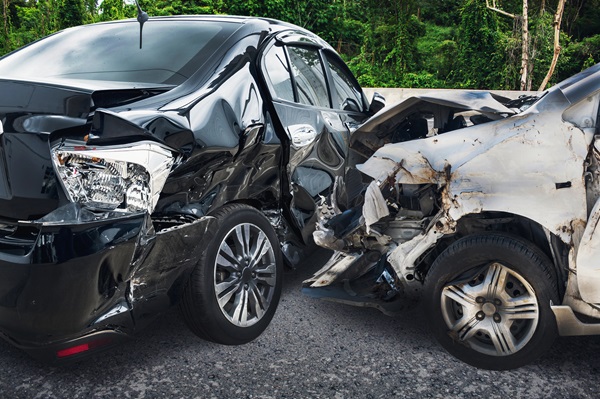
The crash scene itself can tell a story. Skid marks may show whether a driver tried to stop. The location of debris can help show where the vehicles collided. The type and location of vehicle damage can also give clues. For example, damage to the rear of a vehicle often suggests a rear-end collision, while damage to the side may indicate a failure to yield.
Photos and Video
Pictures taken right after the accident can be extremely helpful. They can show vehicle positions, traffic signs, road markings, and damage before anything is moved. In some cases, traffic cameras, security cameras from nearby businesses, or dashcams capture the accident.
Even if no people saw the crash, "Digital Witnesses" often do. In Beaufort and Hilton Head, we frequently canvass for Ring doorbell footage or commercial security feeds from nearby shops. Additionally, we check for Electronic Logging Device (ELD) data if a commercial truck was involved. These digital footprints provide an unbiased, time-stamped record that can instantly override a driver’s false statement to the police.
Vehicle “Black Box” Data
Many newer vehicles have event data recorders, sometimes called “black boxes.” These devices can record data in the seconds before a crash, including speed, braking, and steering. This data can help show whether a driver was speeding or tried to avoid the accident.
Accident Reconstruction
In more serious or disputed cases, accident reconstruction experts may be asked to review the evidence. These professionals study the damage, measurements from the scene, vehicle data, and other details to recreate how the crash likely happened. Their analysis can help explain factors such as speed, direction, and point of impact, especially when drivers disagree.
What if fault is disputed?
If the other driver is blaming you for the crash, it’s important to stay calm and avoid arguing at the scene. Disputes about fault are common, especially when there are no witnesses. When fault is questioned, having an experienced car accident lawyer involved can make a difference.
A car accident attorney can:
- Investigate to gather evidence before it disappears
- Review the police report and identify inconsistencies
- Work with accident reconstruction experts if needed
- Preserve vehicle data and surveillance footage
- Handle all communication with the insurance company
- Push back against unfair blame-shifting tactics
South Carolina follows a modified comparative negligence rule. This means that as long as you are 50% or less at fault, you can still recover damages, though your payout will be reduced by your percentage of blame. When there are no witnesses, insurance adjusters often default to a "50/50" split just to save money. That's why we use forensic evidence to break that tie, proving the other driver held the "greater duty of care" so you aren't unfairly penalized for a crash you didn't cause.
Frequently asked questions: No-witness accidents in South Carolina
Can the police report be changed if I find evidence later?
While an officer rarely changes the original report, they can file a Supplemental Report. If we recover dashcam footage or find a previously unknown security camera feed that proves the other driver lied, we present this to the investigating agency to ensure the official record is updated with the new facts.
What if the other driver lies to their insurance company about what happened?
This is exactly why physical evidence like "crush patterns" and "paint transfer" matters. Physics doesn't lie. If a driver claims they were at a full stop, but the debris field spans 30 feet, the physical evidence shows they were moving at impact. We use these inconsistencies to destroy the credibility of a lying driver.
Does a "Failure to Yield" ticket automatically prove fault?
In South Carolina, a traffic citation is "evidence of negligence," but it isn't always the final word in a civil claim. However, it is very difficult for an insurance company to argue that its driver isn't at fault if that driver was cited for a specific violation, such as a "Left Turn Yield" or "Disregarding a Stop Sign."
How do skid marks prove who was at fault?
Skid marks (or the lack thereof) tell us about a driver’s reaction time. For example, "shadow" marks can show exactly where a driver slammed on their brakes. If there are no skid marks at all from the other driver, it suggests they were distracted and never even attempted to avoid the collision.
Is my case harder to win if it happened in a parking lot?
Parking lot accidents are notoriously difficult to investigate because they are often on "private property," meaning police may not issue a ticket or even file a full report. However, the same rules of the road apply. We use the "Point of Impact" on the vehicles to prove who had the right-of-way in the feeder lane, regardless of whether a witness was present.
Don't take the blame for a crash that wasn't your fault
At Twenge + Twombley, we understand how overwhelming it can feel when fault is being questioned, especially when there were no witnesses to support your side of the story.
Our team of car accident attorneys carefully investigates accidents and gathers evidence to ensure your claim reflects what truly happened.
If you’ve been injured in a car accident in South Carolina and are concerned about how fault will be decided, contact us today for a free consultation.
"Twenge & Twombley were incredible. ...I really appreciate all their time and efforts!!!" - Jennifer H.⭐⭐⭐⭐⭐