
How Insurers Undervalue Motorcycle Injury Claims And How To Fight Back
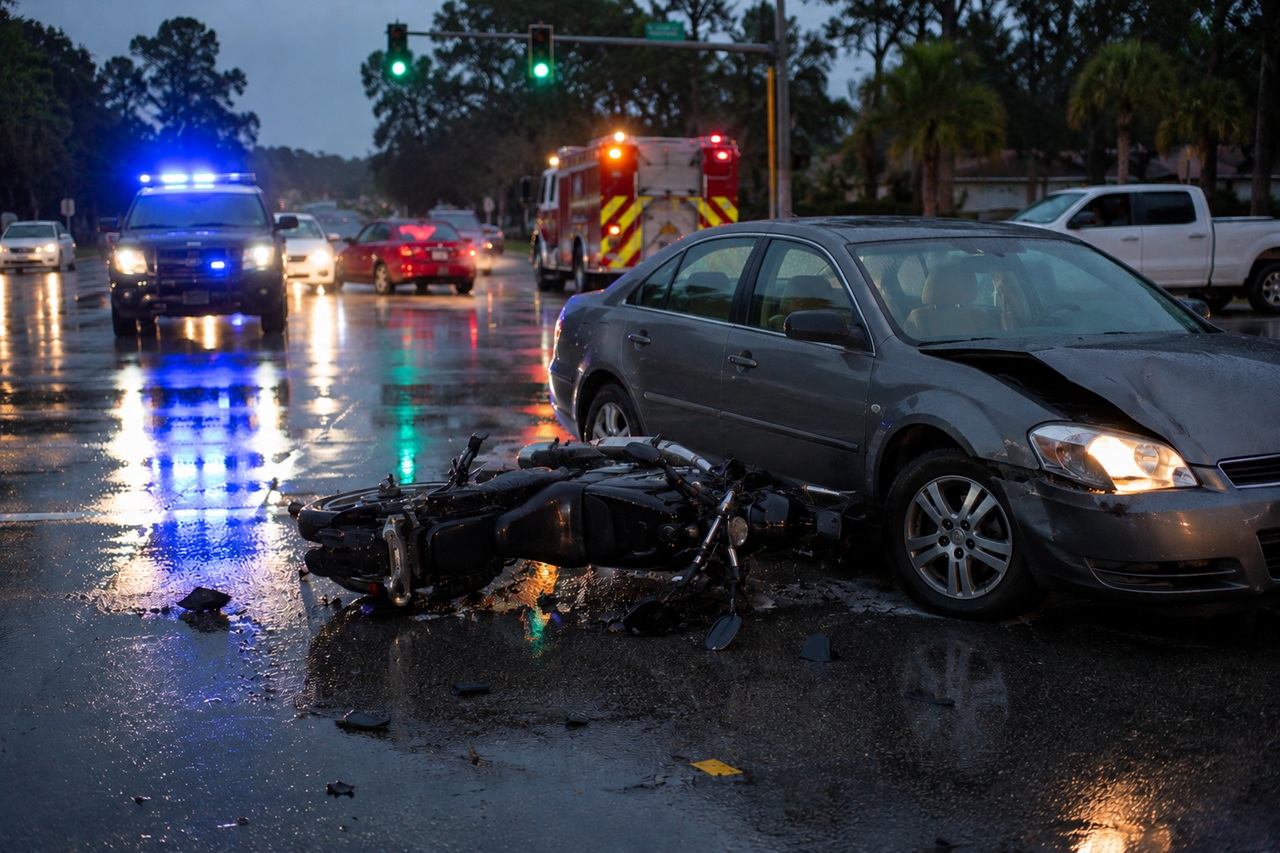
Insurance Companies Often Try To Undervalue Motorcycle Injury Claims
May is Motorcycle Safety Awareness Month across South Carolina, a time when more riders return to the roads in Beaufort, Bluffton, Hilton Head, and surrounding communities. As traffic increases, so does the risk of serious motorcycle crashes. But after a crash, injured riders are often forced to deal with far more than just physical recovery. Insurance companies are already working to reduce what they pay.
At Twenge + Twombley, we have seen how motorcycle injury claims are frequently treated differently from other accident cases. The process is rarely straightforward. Instead, insurers often rely on strategies designed to shift blame, downplay injuries, and pressure riders into accepting settlements that fail to reflect the full impact of the crash.
Understanding how these tactics work is often the first step toward protecting your claim and avoiding mistakes that insurance companies may later use against you.
How Insurance Companies Reduce Motorcycle Injury Claims
Insurance companies rarely admit they are minimizing a claim. Instead, they often use strategies that gradually reduce a case's value over time. In many situations, those efforts begin immediately after the crash, long before a rider fully understands the extent of their injuries or future medical needs.
Common ways insurers undervalue motorcycle injury claims include:
- Blaming the rider for causing or contributing to the crash
- Arguing that injuries are less serious than medical records indicate
- Claiming injuries were pre-existing or unrelated to the collision
- Using early statements or treatment gaps to challenge credibility
- Offering quick settlements before long-term medical needs are known
A fast settlement offer may feel tempting when medical bills start piling up. But if surgery, rehabilitation, chronic pain treatment, or future limitations appear later, that early settlement often proves nowhere near enough to cover the true cost of recovery.
Why Motorcycle Claims Are Often Treated Differently
Motorcycle injury claims frequently carry unfair assumptions from insurance companies that riders must have been speeding, reckless, or partially responsible for the crash. That bias can shape how adjusters evaluate evidence, even when another driver clearly caused the collision.
Insurers often focus heavily on isolated details from police reports, witness statements, or early conversations with riders. A single statement taken out of context may later become part of an argument designed to reduce compensation.
An experienced motorcycle accident attorney approaches these cases differently by examining the full picture, including physical evidence, roadway conditions, witness accounts, medical documentation, and, when necessary, crash reconstruction evidence.
How Riders Can Push Back Against Low Settlement Offers
Insurance companies often rely on timing and pressure. The sooner they settle a case, the less they often pay. That is why riders may receive settlement offers very quickly after a crash, sometimes before they even understand the full extent of their injuries.
Steps that may help protect a motorcycle injury claim include:
- Avoid giving recorded statements without legal guidance
- Do not accept early settlement offers before understanding long-term medical needs
- Follow all recommended medical treatment and preserve treatment records
- Document symptoms, limitations, and the impact injuries have on daily life
- Preserve evidence from the crash, including photos, repair estimates, and damaged gear
Even relatively small treatment delays can later become arguments insurers use to claim injuries were not serious or were unrelated to the motorcycle crash. Insurance companies regularly look for those opportunities when evaluating claims.
Why Strong Evidence Often Determines The Value Of A Claim
Strong motorcycle injury claims are built on detailed and consistent evidence. Medical records, imaging results, accident reports, witness statements, photographs, and crash scene documentation can all help establish both how the collision happened and how severely the rider was affected.
Insurance companies often try to isolate a single statement or report and use it outside the full context of the case. A carefully documented claim makes it much harder for insurers to distort what actually happened.
In more serious crashes, evidence may also include surveillance footage, black box data, cellphone records, helmet damage, motorcycle damage analysis, and testimony from accident reconstruction professionals.
When Insurance Companies Refuse To Be Fair
Sometimes negotiation alone is not enough. If an insurance company refuses to properly evaluate a motorcycle injury claim, additional legal action may become necessary to pursue compensation that reflects the full extent of the rider’s losses.
That may include compensation for:
- Medical expenses
- Future medical treatment
- Lost income and reduced earning ability
- Pain and suffering
- Long-term disability or limitations
- Emotional trauma
Cases built carefully from the beginning are often in a much stronger position when insurers attempt to dispute liability, delay payment, or undervalue serious injuries.
We Hold Insurance Companies Accountable After Serious Motorcycle Crashes
Motorcycle crashes can change a person’s life in seconds, but insurance companies do not always treat those consequences with the urgency or fairness they deserve. Too often, insurers focus on minimizing payouts and closing claims quickly instead of acknowledging the full impact the crash has had on the rider and their family.
Twenge + Twombley represents injured riders throughout South Carolina’s Lowcountry who are facing these exact challenges. We take the time to understand what the crash has truly cost, not just what the insurance company is willing to admit.
Contact A South Carolina Motorcycle Accident Lawyer
If you or someone you love has been injured in a motorcycle crash, contact us today for a free consultation. We are ready to review what happened, explain your legal options, and deal directly with the insurance company while you focus on recovery.
"I would highly recommend Ashley and his firm to anyone needing assistance on any legal matter, regardless of the complexity of the matter. He is a tireless advocate on behalf of his clients." - Vincent N., ⭐⭐⭐⭐⭐