
Amputation After a Lowcountry Car or Motorcycle Crash
Prosthetics, Therapy, and Changes at Home and Work Can Last a Lifetime, and the Claim Should Reflect Every One
An amputation after a car or motorcycle crash in South Carolina's Lowcountry changes nearly every part of daily life. Some people lose a limb at the scene. Others go through surgery after surgery before doctors decide a crushed arm or leg can't be saved. In both cases, the road ahead is long.
The costs don't stop when the hospital discharges you. Prosthetic limbs wear out, therapy continues, and your home and vehicle may need major changes. Insurance companies often focus on the bills that already exist. Meanwhile, the most expensive years of care are still ahead.
At Twenge + Twombley, our Beaufort accident attorneys represent people hurt in car, truck, and motorcycle crashes throughout Beaufort, Bluffton, and Hilton Head. Attorneys Karl Twenge and Ashley Twombley look at what an amputation will cost over a lifetime, not just what it has cost so far.
|
What an Amputation Claim Should Include
|
Why Prosthetic Costs Last a Lifetime
A prosthetic limb isn't a one-time purchase. After an amputation, the remaining part of the limb is called the residual limb. In the first months, it often shrinks and changes shape. The socket that connects it to the prosthesis may need to be refit several times before the limb settles.
Even after that, prosthetic limbs wear out and need repairs, new parts, and eventually full replacement. A person's needs can also change as they age or return to work and other activities. A young crash survivor may need many devices over a lifetime. Each one comes with its own fittings and adjustment period.
| Prosthetic Expense | Why It Keeps Coming Back |
|---|---|
| Socket refitting | The residual limb changes size and shape, especially in the first year |
| Liners, sleeves, and other supplies | Daily use wears them down, so they need regular replacement |
| Repairs and adjustments | Joints, feet, and hands break down with everyday wear |
| Full replacement | Devices reach the end of their useful life or no longer fit the person's needs |
| Prosthetist visits | Each new device or adjustment requires professional fitting and follow-up |
Advanced devices, such as computer-controlled knees or powered hands, can cost far more than basic models. A doctor may recommend one for safety or function. When that happens, the cost belongs in the claim for every replacement cycle, not just the first. Insurance companies often push for the cheapest option instead.
Rehabilitation Continues Long After the Wound Heals
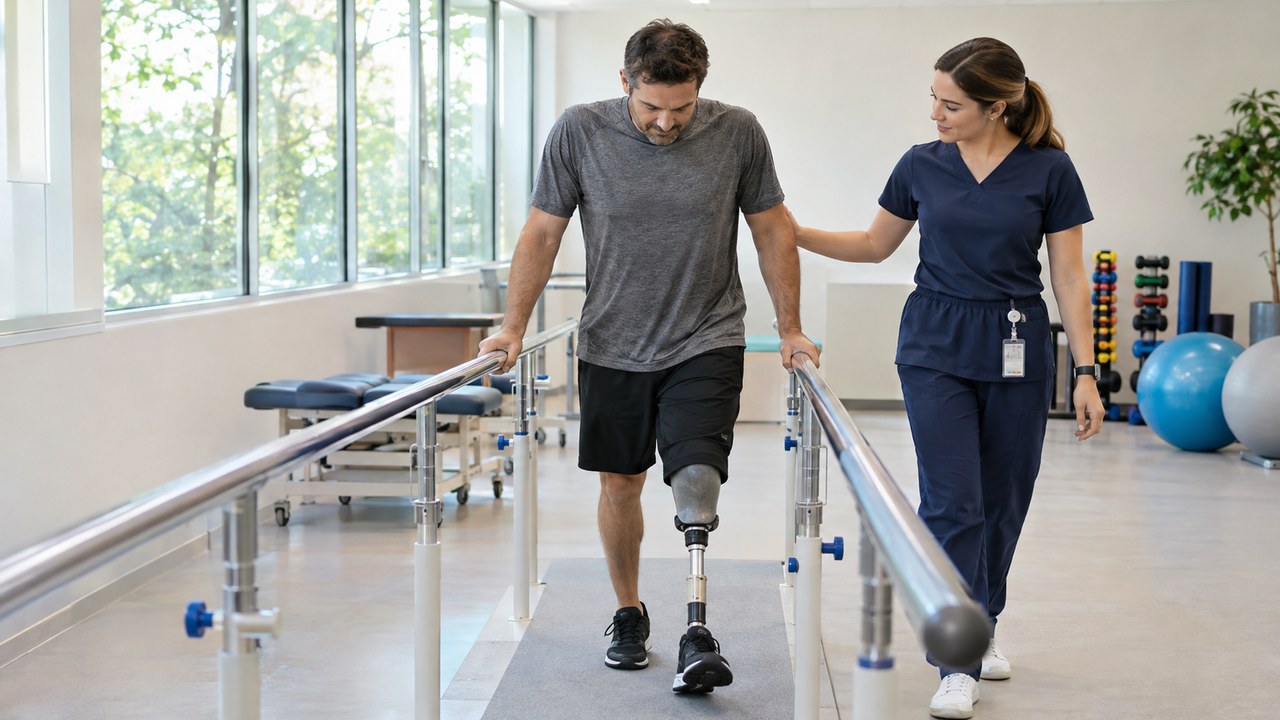
Learning to live with limb loss takes time and professional help. Physical therapists teach people to walk, balance, and climb stairs with a prosthetic leg. Occupational therapists help people with arm or hand amputations relearn everyday tasks like dressing, cooking, and writing.
Pain is another long-term concern. Many amputees experience phantom limb pain, a real pain that feels like it's coming from the missing limb. Nerve pain can also linger for years. Skin problems where the residual limb meets the socket may require ongoing treatment, too.
The emotional toll matters as well. Depression, anxiety, and trauma symptoms are common after a sudden, violent limb loss. Counseling and other mental health care are part of recovering from an amputation. They should be part of the claim, along with the toll the injury takes on family life and relationships.
Home and Vehicle Modifications
Many Lowcountry homes sit on raised foundations or have steps at every entrance. After an amputation, that can make getting in and out of the house difficult or unsafe. Ramps, wider doorways, grab bars, roll-in showers, and other changes may be needed to live safely at home.
Driving may also require changes. Depending on which limb was lost, a vehicle may need hand controls, a left-foot accelerator, or a steering knob. Some people need a different vehicle altogether. Adaptive driving evaluations and training add to the cost, and so does any equipment that must be replaced later.
These expenses can arrive more than once. A family may move, replace a vehicle, or face new needs as the injured person ages. Each change can mean another round of modifications. A strong claim plans for those future costs, not just the first round.
Lost Earning Capacity After an Amputation
An amputation can end a career or force a major change in the work a person can do. Jobs that require standing, walking, lifting, climbing, or fine hand control may no longer be possible. That's true in many Lowcountry fields, from construction and landscaping to hospitality, boating, and military service.
Lost earning capacity is the gap between what you could have earned before the crash and what you can earn now. It's separate from the wages you've already missed. For a younger worker, that gap can add up over decades. Benefits like health insurance and retirement contributions can be part of the loss, too.
Proving it often takes medical opinions about physical limits and a vocational analysis of the jobs still available. An economist may also project future income. Without that evidence, an insurance company may value the claim as if you'll return to full-time work soon.
How a Life Care Plan Brings It All Together
A life care plan puts everything a person is expected to need into one detailed projection. For an amputation, that includes each prosthetic replacement, therapy visits, and medications. It also covers mental health care, home changes, and adaptive equipment.
The plan also accounts for problems that can develop years later. People who lose a leg often put extra strain on the other leg, their hips, and their back. Over time, that can lead to joint damage, more surgery, or the need for a wheelchair.
Insurance companies may argue that a life care plan is too expensive or includes care that isn't necessary. A plan backed by treating doctors, prosthetists, and other professionals is much harder to dismiss. It gives a jury a clear, evidence-based picture of the years ahead.
Injured Motorcycle Riders Deserve Full Compensation
Motorcycle riders have little protection when a careless driver turns left in front of them or changes lanes into them. That's why these crashes so often lead to devastating leg and foot injuries. The drivers who cause them should be held fully accountable.
Some insurance companies still treat motorcycle claims differently. They often undervalue motorcycle injury claims by relying on unfair assumptions about riders. An amputation claim built on solid evidence about how the crash happened helps push back against that bias.
Whether you were hurt on a motorcycle, in a car, or as a passenger, the same principle applies. The at-fault driver's insurance company should pay for the lifetime of care that follows. Riders deserve the same full compensation as anyone else hurt by a careless driver.
South Carolina's Fault Rule and Filing Deadline
South Carolina follows a modified comparative negligence rule. You can recover compensation as long as you're 50% or less at fault for the crash. Your compensation is then reduced by your share of the blame. If you're found more than 50% at fault, you can't recover anything.
That's why insurance companies sometimes try to shift blame onto the injured person, especially a motorcycle rider. Crash reports, witness statements, and video can show what really happened. That evidence keeps the focus on the driver who caused the crash.
Most South Carolina personal injury lawsuits must be filed within three years under S.C. Code § 15-3-530. Claims involving a government vehicle or employee can have different rules. Getting started early gives your legal team time to build a complete picture of your future needs.
Rare Name, Remarkable Service for Lowcountry Amputation Survivors
We limit our caseload so we can give each client the time and attention a life-changing injury requires. You won't get lost in a maze at our firm. Our track record includes million-dollar and multi-million-dollar results, and we bring that same effort to every case.
When you work with us, you'll know where your case stands and what comes next. We'll work with the medical and financial professionals needed to show what your amputation will truly cost. Then we'll fight for compensation that matches it.
Your recovery will last a lifetime, and your claim should account for every year of it. Schedule a free consultation with our Beaufort law firm. We'll talk about your crash, your injuries, and the care you'll need in the years ahead.
"Ashley represented my wife and me in a suit resulting from personal injury to my wife. He and his firm were extremely professional, very efficient and thorough in their fact finding. We were extremely pleased with Ashley's representation and would highly recommend him to anyone needing counsel." - Rich, ⭐⭐⭐⭐⭐